
Specialized Training for Mental Health Professionals Treating Misophonia
EVIDENCE-INFORMED TRAINING BEGINNING FALL 2026
This training will give you the knowledge, skills, and confidence to become competent in providing effective treatment for individuals with misophonia.

A COMMON BUT OFTEN MISUNDERSTOOD CONDITION
Misophonia affects roughly 1/3 of individuals seeking psychological help for other conditions.[7, 11]
WHY SPECIALIZED TRAINING MATTERS

1. UNIQUE CONDITION
Misophonia is a distinct condition, not a subtype of OCD, PTSD, anxiety, autism, depression, or other disorders, though it may co-occur with them

2. SPECIALIZED SKILLS
Effective treatment requires skills and approaches that are unique to misophonia.


4. FOR PROFESSIONALS
This training is for all licensed mental health professionals and those obtaining their supervised professional experience.

5. EXPERT TRAINERS
Training led by licensed psychologist Nate Mitchell, PhD and behaviorist Tom Dozier, MS.

6. IN-PERSON SEMINARS
Training will be conducted through in-person seminars for an engaging, interactive learning experience.

7. CE CREDITS
Continuing Education credits will be available for eligible professionals.

8. FALL 2026
Training seminars will begin in fall, 2026.
Learn From Experts With Over 20 Years of Experience
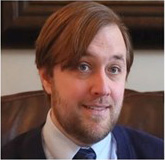
Nate Mitchell, Ph.D.
Licensed Psychologist
Over 8 years of experience in treating misophonia.
- Extensive discussion of misophonia theory in the Dozier & Mitchell article: “Novel five-phase model for understanding the nature of misophonia, a conditioned aversive reflex disorder.”
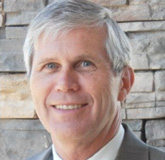
TOM DOZIER, MS
President of Misophonia Institute
Over 14 years of experience in misophonia research, developing misophonia treatment, and treating misophonia.
- Tom Dozier has published 10 peer review journal articles on misophonia and is author of the book, “Understanding and Overcoming Misophonia, A Conditioned Aversive Reflex Disorder.”

Our Goal
To prepare you with the knowledge, tools, and clinical skills you need to become competent and confident in providing effective treatment for individuals with misophonia.
Built on Research & Clinical Experience

10 published peer review journal articles published by Tom Dozie and Nate Mitchell including 3 scientific studies, and clinical experience with over 2,000 patients.

Treatment study underway at University of North Texas (UNT) using the Mitchell-Dozier misophonia model and consultation with Tom Dozier and Nate Mitchell.

Single-subject case study manuscript in preparation for the first participant in the UNT treatment study.

UNT Treatment Study manuscript expected to be published in early 2027. Data from the study will be available before training begins.

Our curriculum is evidence-informed and will continue to evolve as new research emerges.
"The most comprehensive and practical misophonia training available, to help you feel prepared and confident to help your clients."
Join the Therapist Interest List
Be the first to receive updates about seminar dates, locations, continuing education credits, registration, and new research.